How volunteers, dance, and music contribute to Bridge to Liberation

Bridge to Liberation consists of more than just what happens on stage. Around that, too, many people contribute to telling and passing on the stories surrounding the Battle of Arnhem. During the 2026 edition, volunteers, Introdans, and Orkest Phion, among others, each did so in their own way.
Volunteers: help where needed

For Rilana and her family, Bridge to Liberation begins even before the evening itself. In the days leading up to the event, they help on and around the grounds, from cleaning to security.

Their involvement stems from the desire to continue passing on the history of Operation Market Garden. For Rilana, that starts with yourself: continuing to tell stories and ensuring they are not forgotten.

That subject also plays an important role at home. A veteran who is still actively serving lives in their family, and they are also involved with a veterans' association within their congregation.

For them, freedom means being able to live in freedom, with respect for rules, norms, and values. That is precisely why they consider it important to reflect on the people who gave their lives at that time.

“Shake hands more often, be grateful for the present, and do not forget the people of the past.”

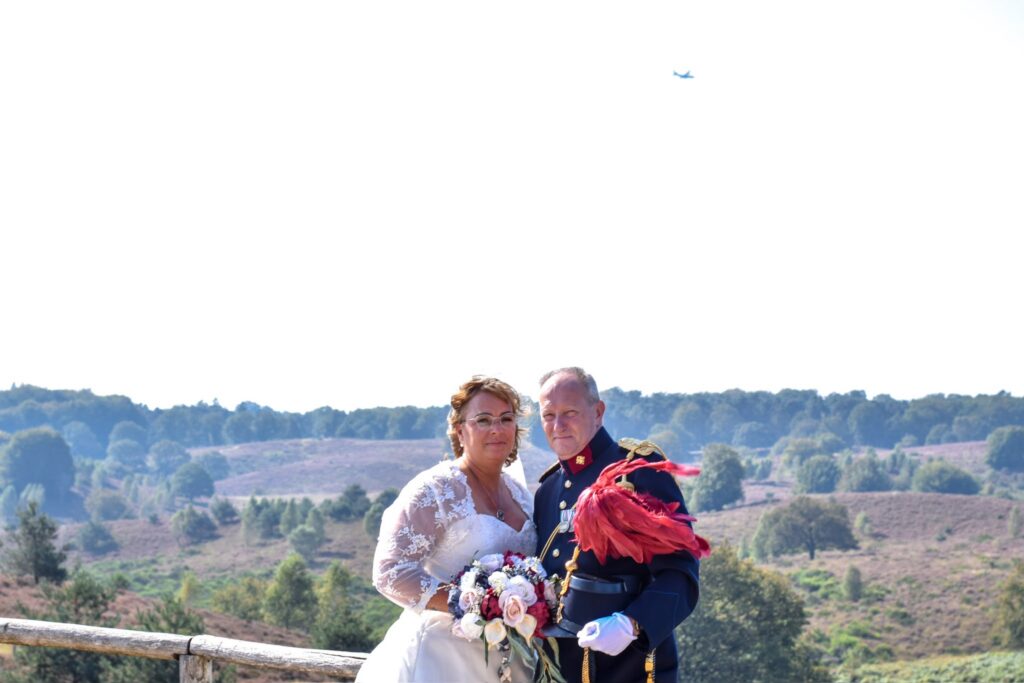
Moreover, Bridge to Liberation took on an extra personal meaning for Rilana in 2024. The edition of September 19 took place on her wedding day. Together, they consciously reflected on that day.

Introdans: making emotions visible with dance

As an Arnhem-based dance company, Introdans feels strongly connected to the city and its inhabitants. For years, they have sought out this connection in projects and events in Arnhem and the region.

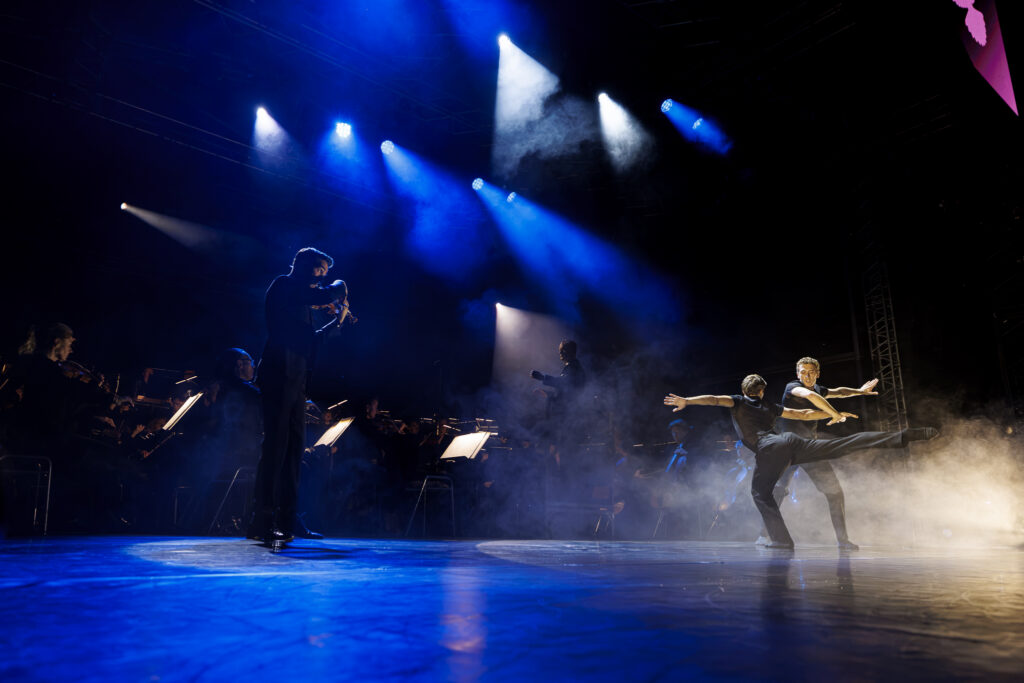
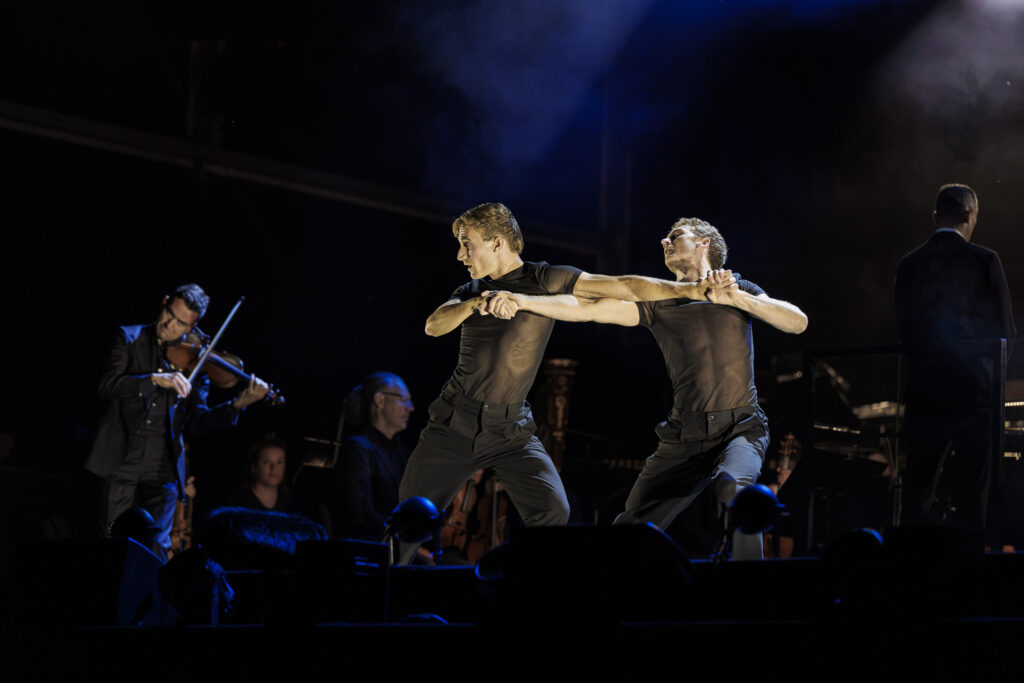
During Bridge to Liberation 2026, Introdans presented the duet Mano a Mano, which means 'hand in hand'. Choreographers Igor Bacovich and Iratxe Ansa describe the work as a tightrope walk between the individual and the community, between holding on and fleeing.

For Introdans, dance is the quintessential way to make visible emotions that are sometimes difficult to put into words.

Dance is pre-eminently a way to make emotions that are sometimes difficult to put into words palpable and visible

For Introdans, freedom means being allowed to be who you are, without fear, judgment, or limitation. They also view dance as a way to connect people, cultures, and perspectives.

In this regard, they consider it important to continue telling the stories of the Battle of Arnhem. According to Introdans, developments at home and abroad show that freedoms are not self-evident and that it remains necessary to reflect on the pain, sorrow, and struggle of that time.

Phion Orchestra: music as a universal language

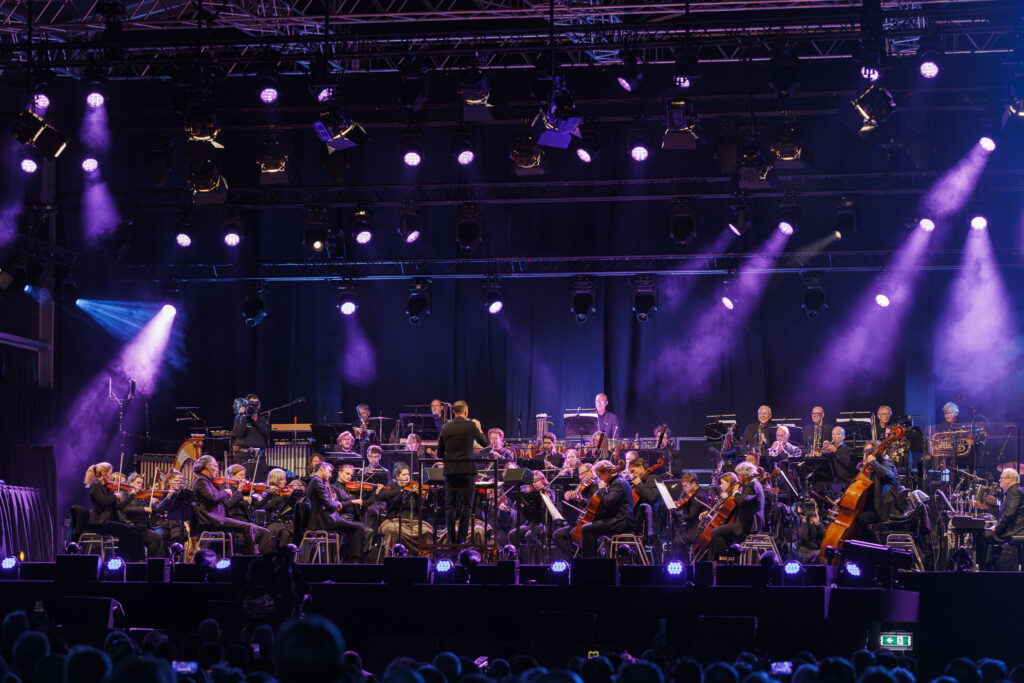
Orkest Phion has also been closely associated with Bridge to Liberation for many years. As one of Arnhem's major cultural institutions, the orchestra is pleased to contribute to an evening reflecting on the impact of the Battle of Arnhem and the value of freedom.

During the performance, Phion played the music at the John Frost Bridge, and the orchestra, together with Introdans and the other artists, told the musical story of the evening.

For Phion, that is precisely where the power of music lies:

Music is the universal language in which every story and every emotion can be told

According to the orchestra, freedom is a value that must be constantly fought for and should never be taken for granted. For Phion, being able to make music, connect, and bring beauty in freedom is part of that conviction.

Commemoration also remains important in this context. Not only to reflect on what happened during the Battle of Arnhem, but also to maintain compassion for places where peace is not a given today.


Each from their own role

Volunteers, dancers, and musicians each contribute to Bridge to Liberation in a different way. One by ensuring behind the scenes that everything can go ahead, another by making stories tangible through movement or music.

Together, in 2026, they were also part of an evening in which the stories from the past were passed on again.